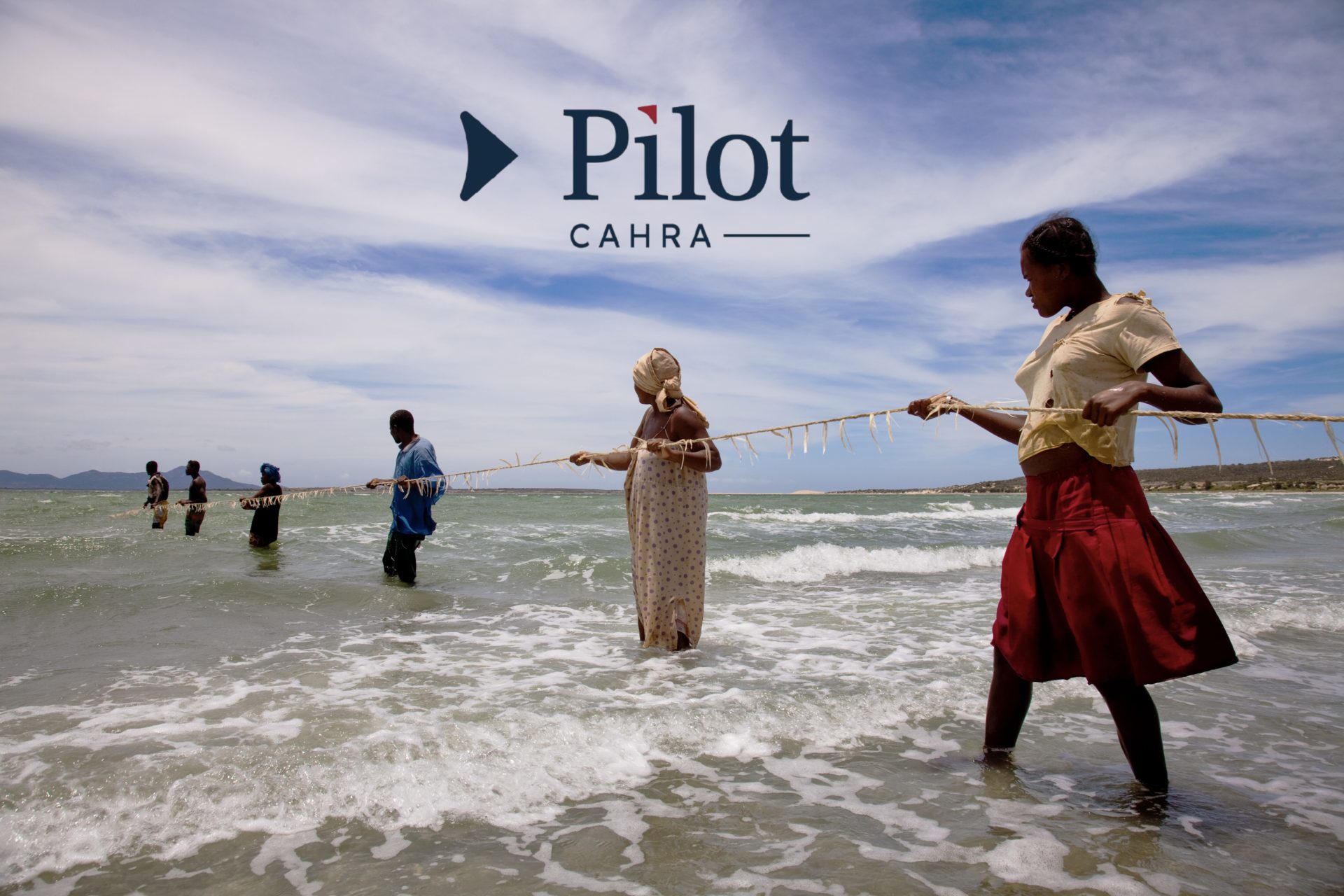
Business-only side event at the UN Forum 2025: Collective conflict due diligence in CAHRAs
 COMPANIES
[24 November 2025]
On the sidelines of the UN Forum on Business and Human Rights 2025 and in partnership with law-firm Steptoe LLP, TrustWorks hosted a closed-door, business-only event on ‘Collective due diligence in conflict-affected and high-risk areas’. The event brought together representatives from 18 different multination corporations to discuss the collective due diligence pilot initiative.
Objective
The objective of this event was to explore the practical structure and potential benefits of collaborative approaches to identifying and addressing risks and impacts in conflict-affected and high-risk areas (CAHRAs). The event was split into three parts and involved a simulation of a collective conflict-specific due diligence project to demonstrate the value for businesses and CAHRAs alike, while exploring how companies can navigate legal and antitrust concerns.
Session one: Why a collaborative approach works in CAHRAs
In this first sessinon, Yousuf Aftab, partner at Steptoe, delved into how a collective approach to conflict-specific due diligence in CAHRAs enables companies to act meaningfully and responsibly while mitigating legal and operational risk. Participants were introduced to three main benefits of collective due diligence:
- Efficiency: Collaborative due diligence allows companies with overlapping value chains to share costs, streamline learning, and coordinate follow-up actions.
- Impact: Joint efforts amplify influence with suppliers, governments, and stakeholders, supporting more credible and sustainable responses to conflict-related risks and impacts.
- Liability: Collective due diligence limits individual companies’ risk exposure through structured, legally privileged information sharing, easing concerns around disclosure, liability, and compliance—while helping define the “reasonable business” standard in CAHRAs.
Session two: Due diligence options – HRDD, hHRDD and IHL – when, why and how?
The second session, led by CEO and Founder of TrustWorks Josie Lianna Kaye, explored in more detail when companies must conduct conflict-specific due diligence, why this is the case and what this looks like:
- When: CAHRAs present some of the most complex challenges for responsible business and are frequently the source of the most salient human rights and conflict risks for stakeholders and the most significant risks to business—spanning legal, brand, investor, and operational issues. In these contexts, human rights due diligence (HRDD) is necessary but wholly insufficient to address the pressing, highly complex risks that companies face in CAHRAs.
- Why: Business activities in CAHRAs are never neutral. In conflict settings, each actor and its actions have effects that directly or indirectly, willingly or unwillingly, shape, influence, or drive the factors that may be causing, exacerbating, or sustaining conflict. Since business activities in conflict contexts are never neutral, it is necessary to gain a sound understanding of the two-way interaction between business activities and the conflict/context in which they take place.
- How: In order for a company to identify its connection to both the actors and factors driving conflict, companies must conduct conflict-specific due diligence. This requires conducting a conflict-specific assessment, which includes both international humanitarian law considerations and ‘heightened HRDD’, which encompasses but goes well beyond HRDD: hHRDD involves identifying, assessing, preventing, mitigating, and remedying impacts that drive, intensify, or sustain conflict, as well as human rights impacts.
Session three: Conflict-specific due diligence in practice: A case study
In the third and final session, Josie Lianna Kaye took participants through what a collective due diligence pilot assessment would look like using a fictitious case study. Leveraging TrustWorks proprietary conflict-specific due diligence methodology designed for companies with business activities in CAHRAs, the case study highlighted some of the main outcomes that companies should expect from a collaborative due diligence assessment, including:
- A comprehensive understanding of IHL, conflict and human rights risks and impacts across the value chain;
- Targeted and tailored recommendations for addressing risks and impacts;
- Practical action plan for implementation of recommendations;
- Implementation support over the course of one year, including capacity building of local partners;
- Quarterly reviews and update to the risk register with amended recommendations; and,
- Advice on stakeholder and investor engagement.
For more information please contact
Yousuf Aftab, Partner, Steptoe LLP | yaftab@steptoe.com
Josie Lianna Kaye, CEO & founder, TrustWorks Global | josie@trustworksglobal.com